
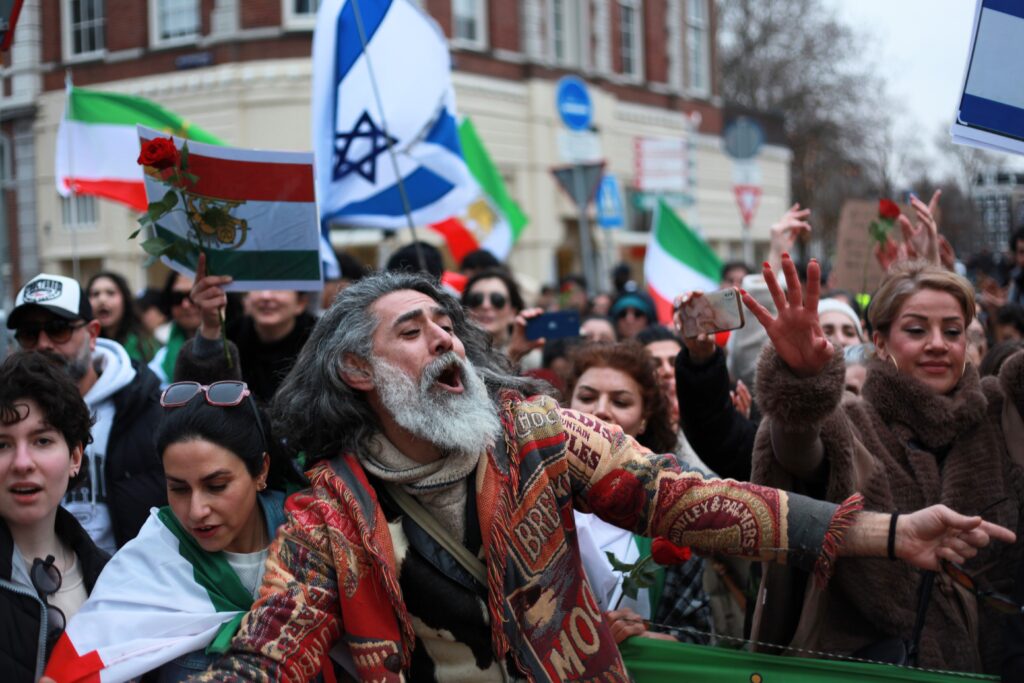
From Dam Square to Museumplein: Iranian Diaspora Protest in Amsterdam
On March 1, members of the Iranian diaspora gathered at Dam Square in Amsterdam for a demonstration addressing the political situation in Iran. The march followed the events of February 28 in Iran, which prompted strong reactions among Iranian communities abroad and served as a direct catalyst for mobilization.
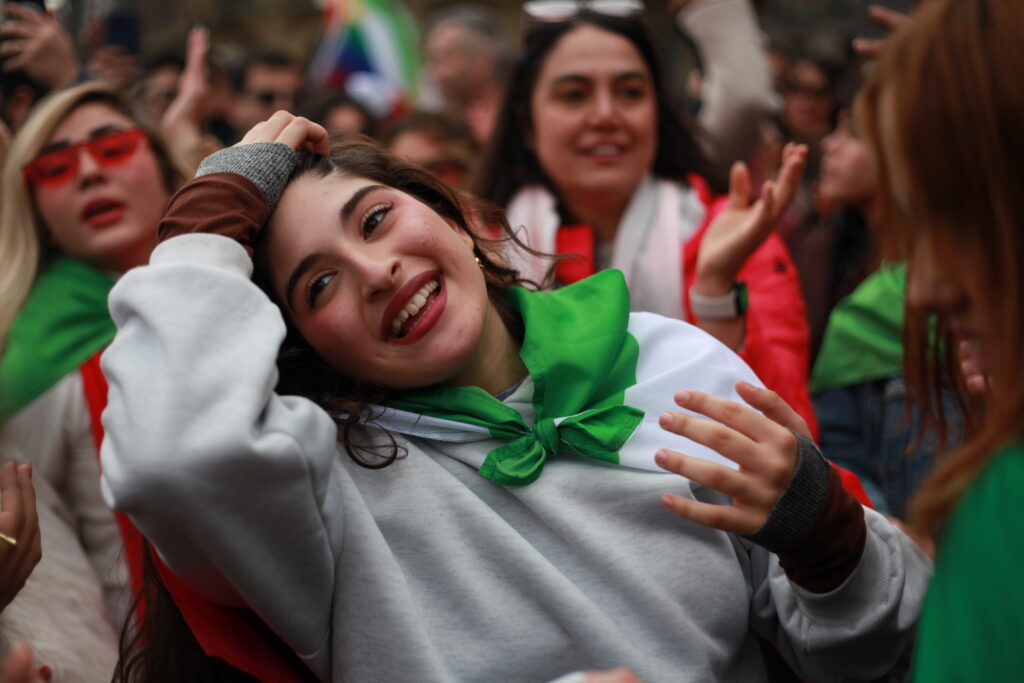
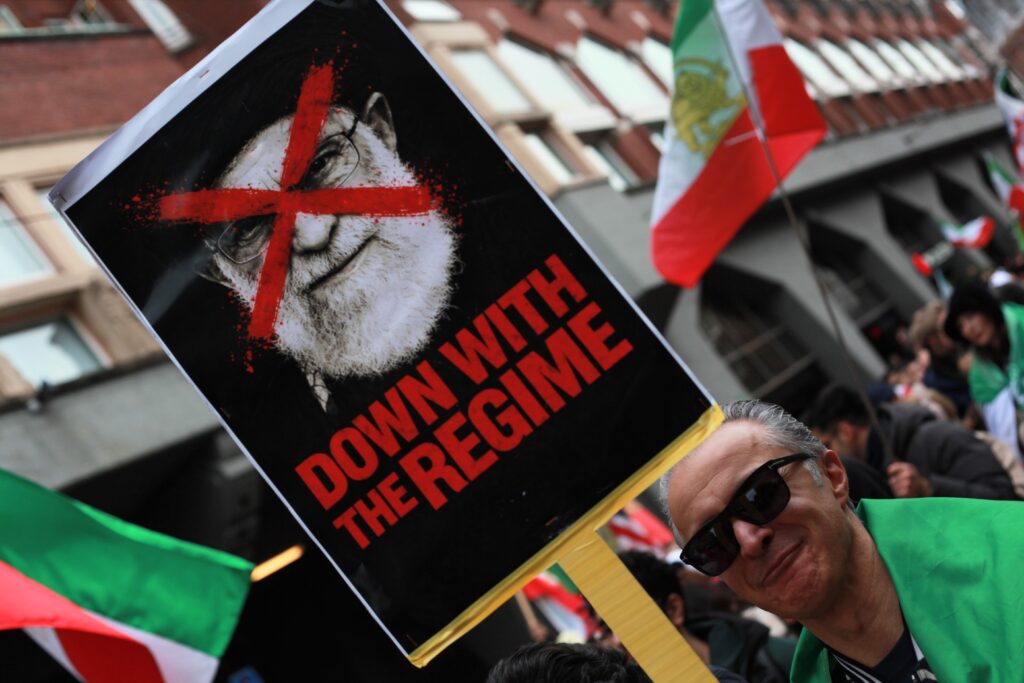
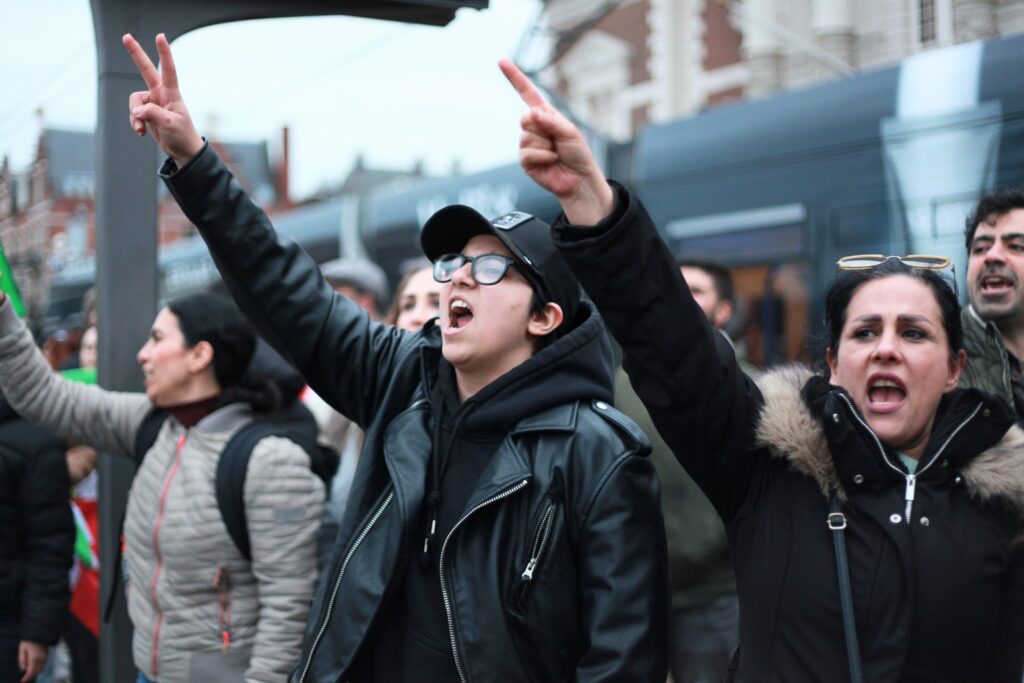
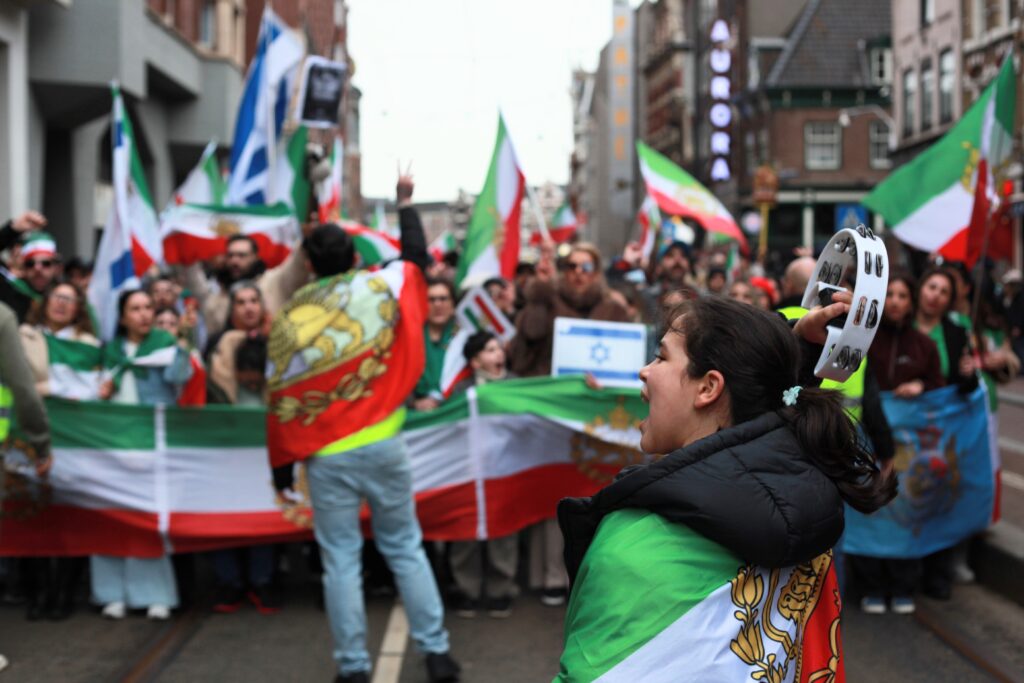
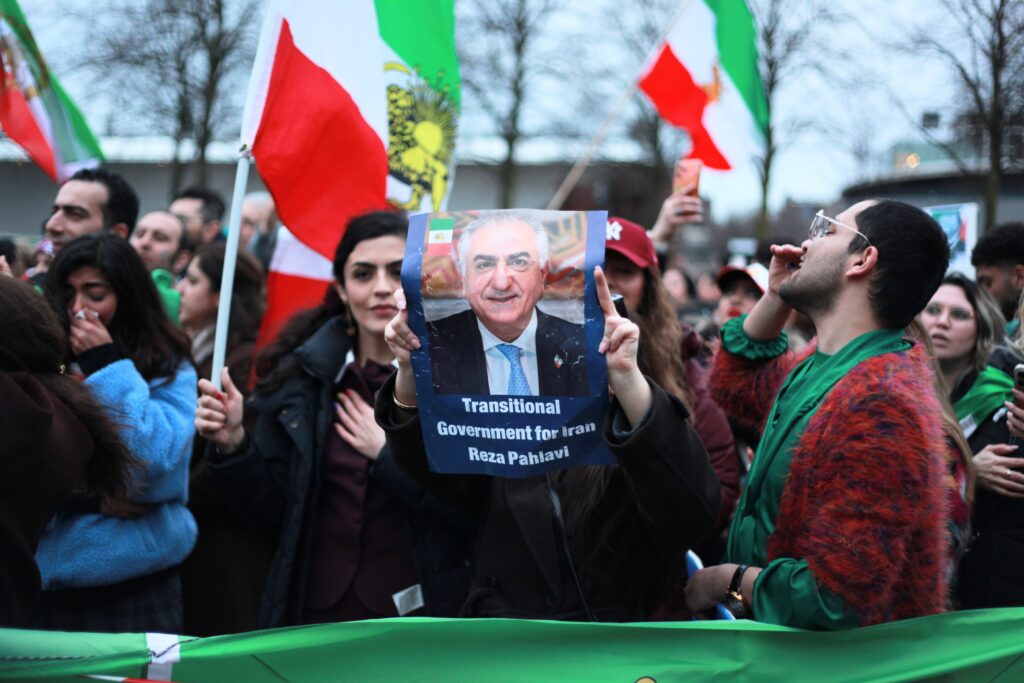
Participants assembled gradually, carrying flags, banners, and photographs of individuals they described as victims of repression. From Dam Square, the demonstrators moved through the city center toward Museumplein, chanting in Persian and English. Messages on banners called for an end to repression, the release of political prisoners, and respect for women’s rights.
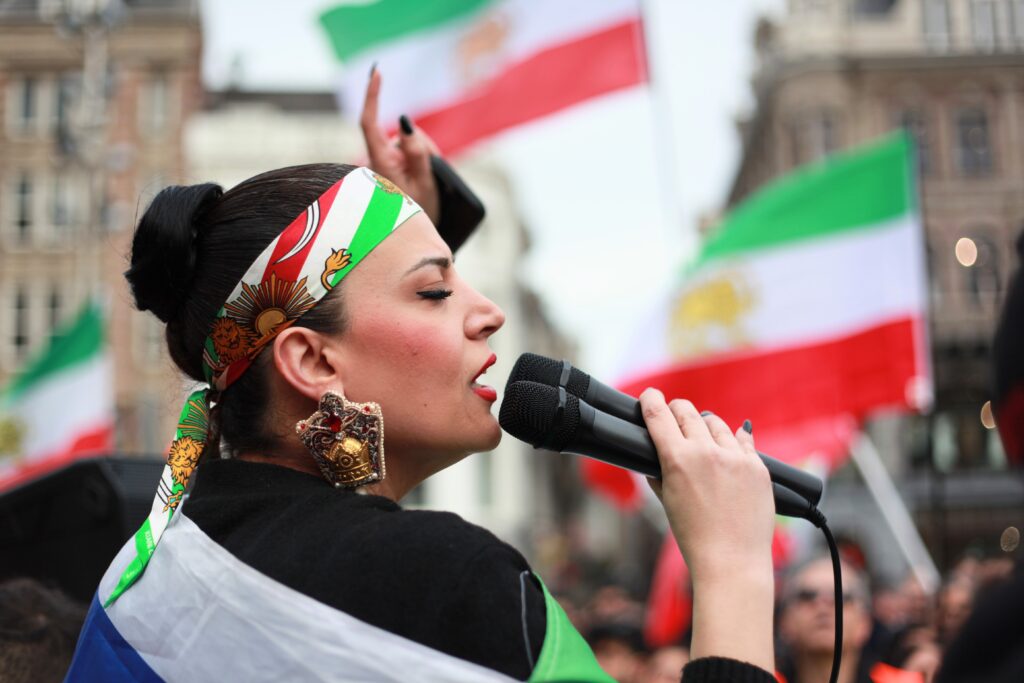
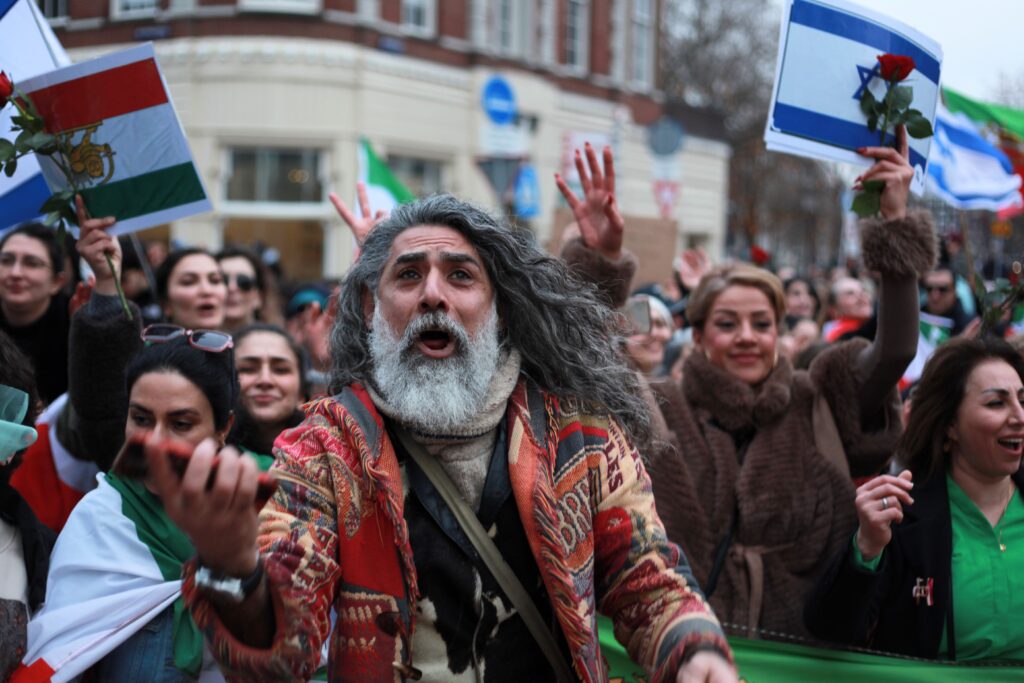
The symbolism of the “Woman, Life, Freedom” movement one of the central reference points of recent protests against authorities in Tehran was prominently displayed throughout the march. Both the current Iranian national flag and the pre-1979 lion-and-sun flag were visible, reflecting differing political and historical perspectives within the diaspora.
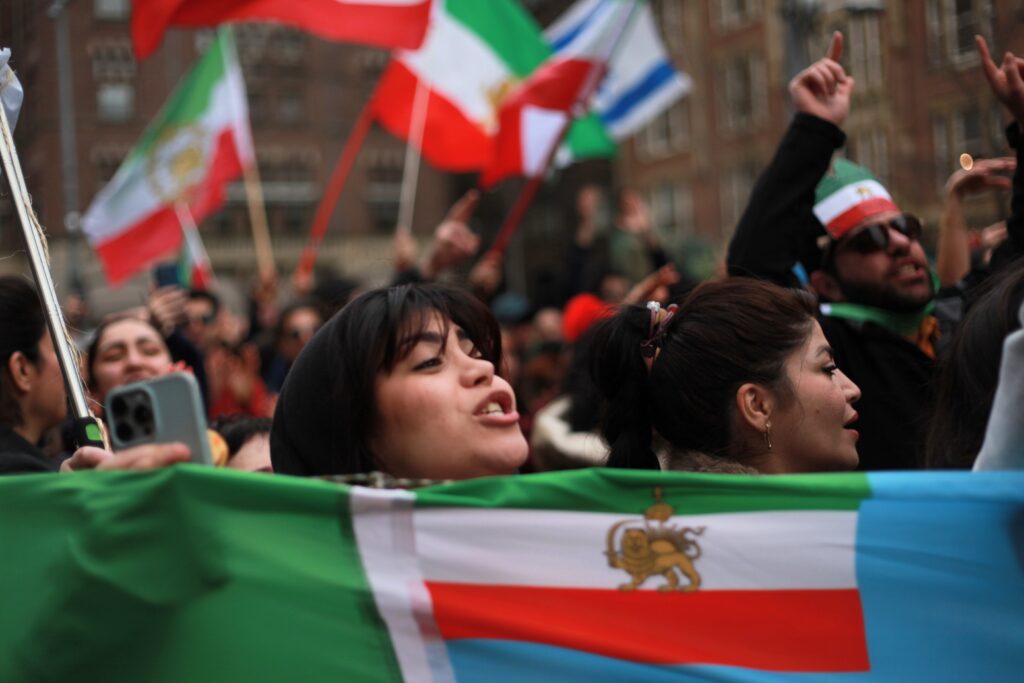
Several hundred participants joined the march, according to visual estimates on site. The atmosphere was determined and at moments highly emotional, though the event remained orderly throughout.
Presence of Multiple Generations
The Iranian protest in Amsterdam brought together representatives of different generations within the diaspora. Young people raised in Europe walked alongside those who had left Iran decades earlier. Entire families took part in the march.
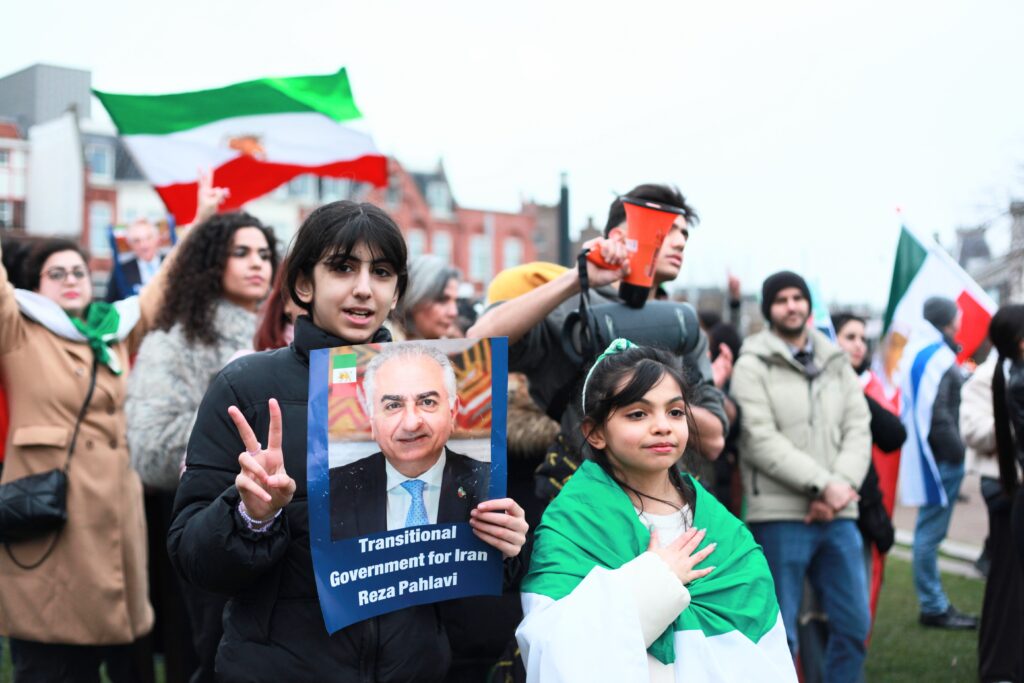
For older participants, the demonstration represented a continuation of political and personal histories shaped by exile. For younger generations, it was a declaration of identity and solidarity with those currently protesting inside Iran. This multi-generational presence broadened the event beyond a narrow activist framework and reflected a wider segment of the Iranian community in the Netherlands.
Police Monitoring and Public Order
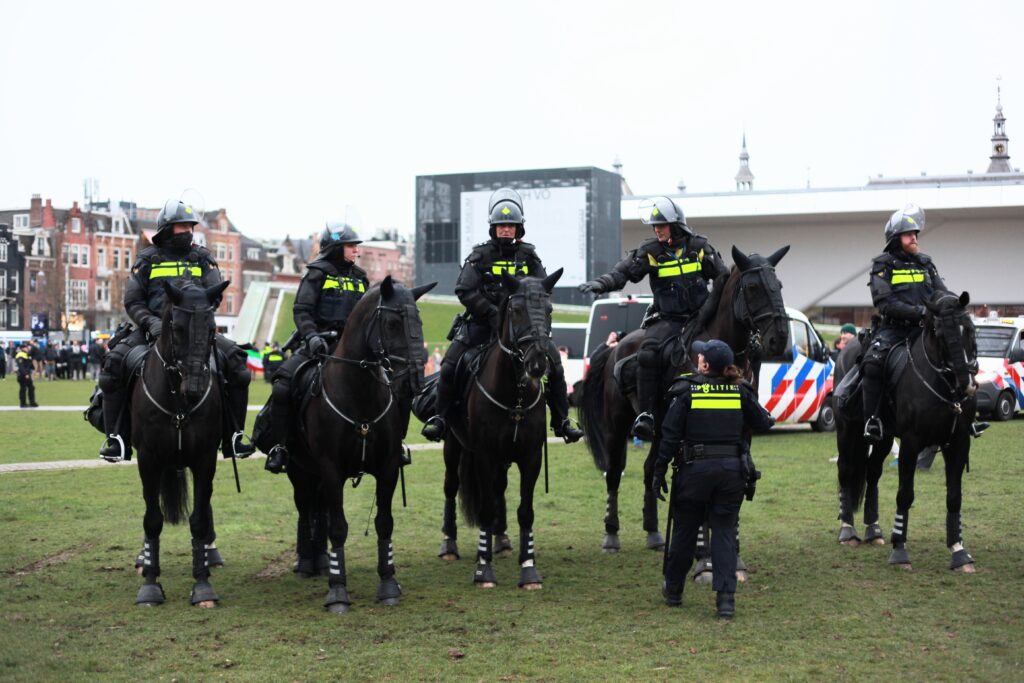
The route was secured by Dutch police, with officers positioned along streets and at key intersections. Mounted patrols were visible in several areas. Traffic in parts of the city center was temporarily redirected to allow the march to proceed.
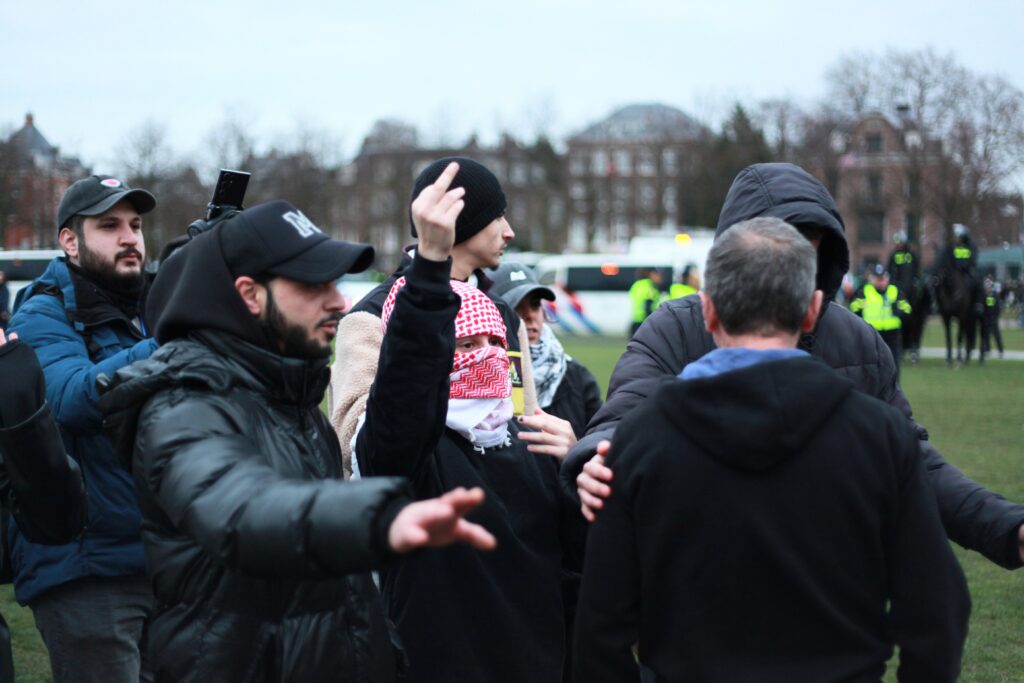
At one point, police separated two groups of participants and directed them into different lanes as a precautionary measure. The intervention appeared organizational rather than confrontational. No serious incidents were reported, and the demonstration concluded peacefully.
Emotions and Public Message
Rhythmic chanting and singing accompanied the march. At certain moments, participants paused to remember individuals who according to organizers had been killed or detained in Iran. Some demonstrators were visibly moved, and brief moments of silence were observed.
Speeches delivered at Museumplein emphasized the role of the diaspora in maintaining international attention on developments in Iran. Organizers highlighted social media as a key channel for sharing documentation and testimony beyond national borders.
The Iranian protest in Amsterdam forms part of a broader pattern of diaspora mobilization across European cities. While geographically distant from Tehran, participants made clear that they view their public presence abroad as directly connected to ongoing political developments in Iran.
The event concluded without disruption, and the city center gradually returned to its usual pace.
K.K.